How to Prepare Your Home for a Professional Paint Job


Clear the Area
Before the professionals arrive, ensure that the areas to be painted are free of obstacles. Move furniture away from walls and, if possible, to another room. This not only provides a clear path for the painters but also protects your belongings from accidental paint splatters. If moving large pieces is not feasible, cover them with plastic sheets.

Remove Wall Hangings
Take down any pictures, mirrors, or artwork from the walls. This step is crucial to prevent damage to your valuables and allows painters to work more efficiently. Remember to store these items safely to avoid breakage.
Protect Your Floors
Floors are vulnerable during a paint job, so it’s essential to cover them adequately. Use drop cloths or plastic sheeting to protect both carpets and hard surfaces. This will help prevent any paint drips or spills from causing permanent damage.
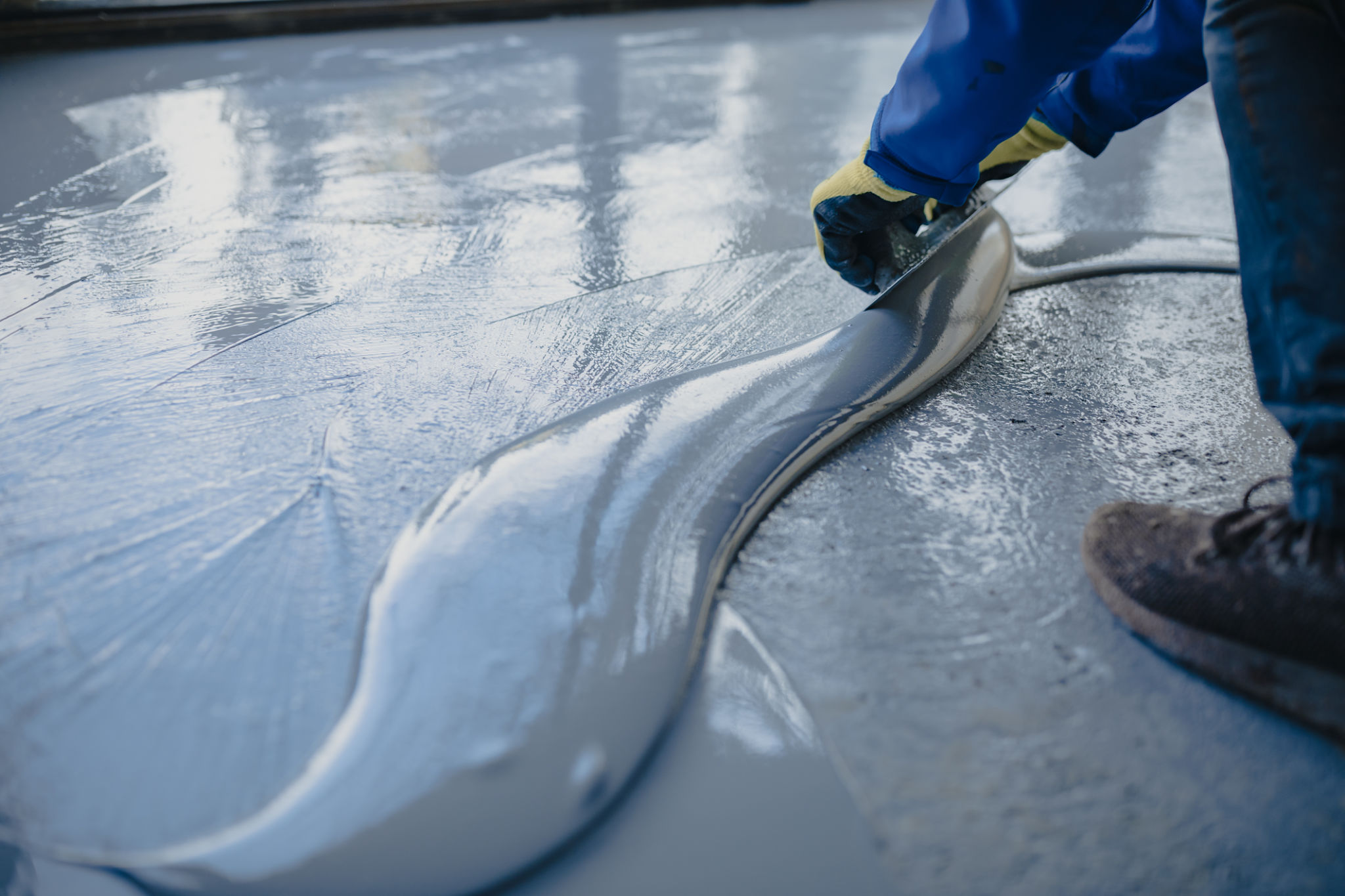
Prep the Walls
Ensure the walls are clean and free of dust and grime. A simple wipe-down with a damp cloth can make a significant difference. If there are any holes or cracks, consider filling them in advance or discuss with your painter if they offer this service.
Secure Pets and Children
For safety reasons, ensure that pets and young children are kept away from the painting area. Not only can paint fumes be harmful, but there's also a risk of them knocking over equipment or stepping in paint.

Communicate with Your Painters
Discuss any concerns or special instructions with your painting team before they begin. Clear communication ensures that expectations are aligned and helps avoid any misunderstandings during the project.
Check for Ventilation
Good ventilation is crucial during a paint job to help with drying and to disperse fumes. Open windows and doors where possible, and consider using fans to improve air circulation. This will make the environment more comfortable for both the painters and your family.
Plan for the Unexpected
Even with the best planning, unexpected issues can arise. Be prepared for minor delays or adjustments in plans. Flexibility can make the process smoother and less stressful for everyone involved.
Final Touches
Once the painting is complete, inspect the work to ensure it meets your expectations. Discuss any touch-ups or corrections needed with your painters. A professional team will be happy to address any concerns to ensure your satisfaction.