How to Protect Your Home's Exterior Paint During Seasonal Changes


Understanding the Impact of Seasonal Changes
Seasonal changes can significantly affect your home's exterior paint. Fluctuations in temperature, humidity, and exposure to elements like rain and snow can lead to fading, cracking, and peeling. Understanding these impacts is the first step in protecting your investment. By taking proactive measures, you can maintain your home's curb appeal and ensure the longevity of your exterior paint.
Regular Maintenance and Inspection
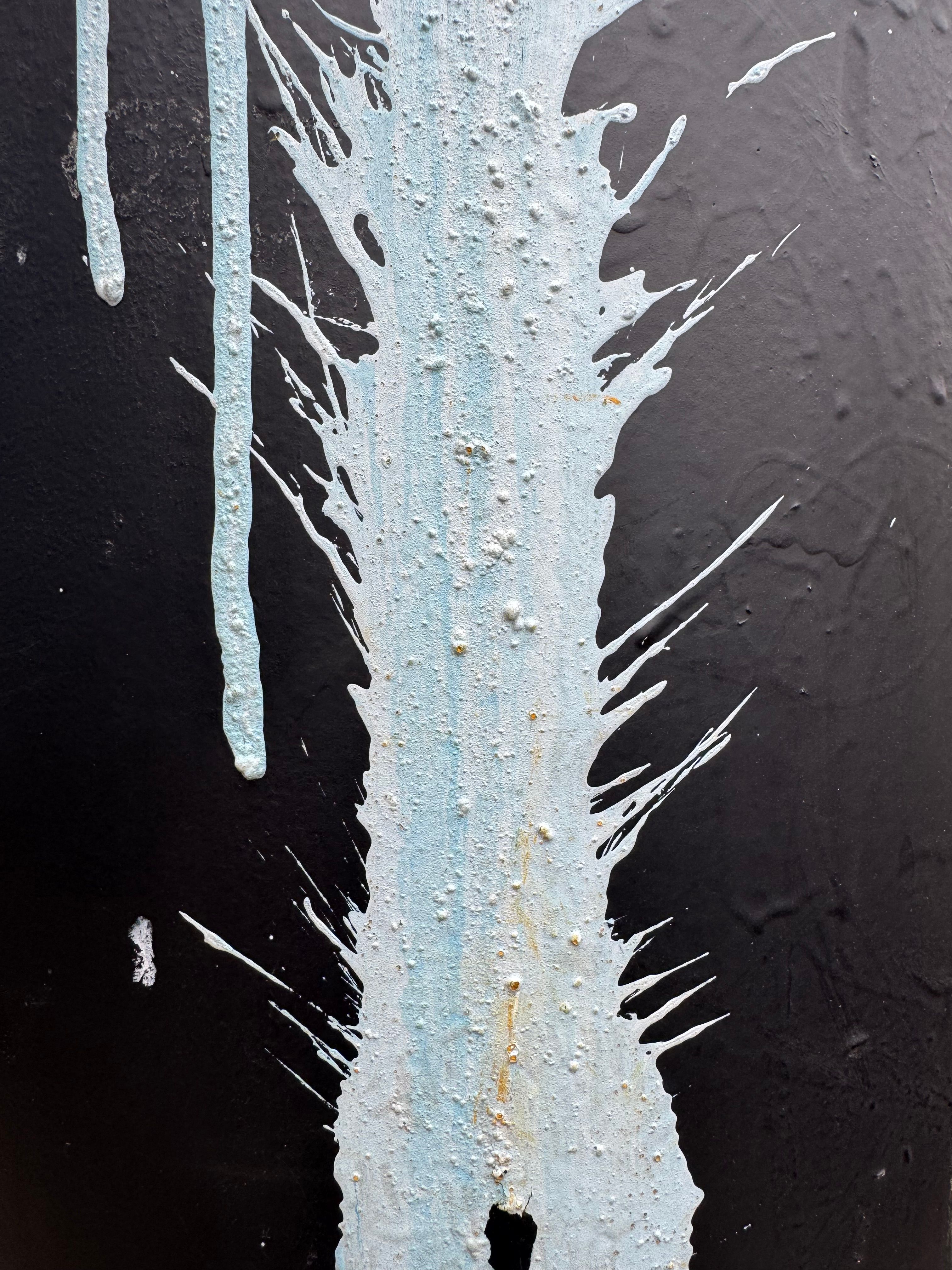
Regular maintenance is crucial in preserving your home's exterior paint. Begin by conducting routine inspections every few months. Look for signs of wear such as chipping, blistering, or mildew growth. Addressing these issues early can prevent more significant damage. Cleaning the exterior surfaces with mild soap and water can also remove dirt and contaminants that may degrade the paint over time.
Preparing for Different Seasons
Each season presents unique challenges for exterior paint. During the winter, for instance, moisture can seep into cracks and freeze, causing the paint to crack. To combat this, ensure that all surface cracks are sealed before the onset of cold weather. In the summer, intense sunlight can cause fading, so consider using UV-resistant paint to mitigate this effect.
Investing in Quality Paint and Materials
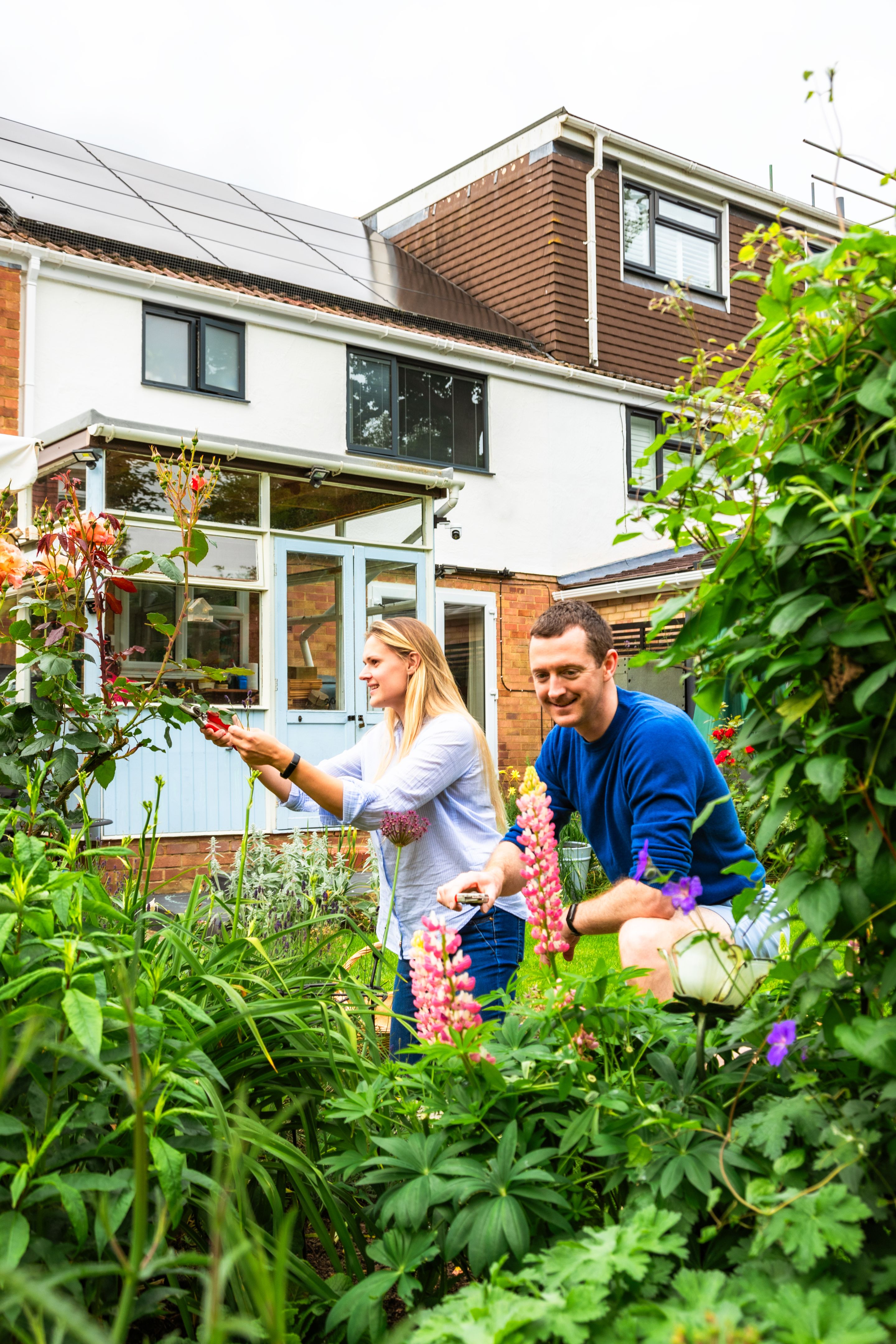
Choosing high-quality paint and materials is an effective way to safeguard your home's exterior. Premium paints often contain additives that enhance durability and resistance to weather-related wear. When selecting paint, look for options that offer protection against UV rays, mold, and mildew. Additionally, investing in quality primers and sealants can further bolster your home's defenses against seasonal changes.
Protective Measures to Consider
There are several protective measures you can take to shield your exterior paint. One option is to apply a clear protective coat over your existing paint. This layer acts as a barrier against moisture and UV rays. Furthermore, consider installing features like overhangs or awnings to protect vulnerable areas from direct sunlight and precipitation.

Timing Your Painting Projects
The timing of your painting projects can also impact the longevity of your exterior paint. Avoid painting during extreme weather conditions, such as high humidity or direct sunlight, which can affect the paint's adhesion and drying process. Ideally, choose a mild weather period in the spring or fall to undertake painting projects.
Conclusion: Consistent Care for Lasting Results
Protecting your home's exterior paint during seasonal changes requires consistent care and attention. By implementing these strategies, you can extend the life of your paint and maintain your home's aesthetic appeal. Regular maintenance, quality materials, and timely interventions are key to preserving your home's exterior beauty year-round.